Every day, countless vehicles share the roads, each driver hoping to reach their destination safely. Yet, despite advances in technology and road safety, collisions remain a significant concern. Understanding the causes of these incidents is crucial. It helps you stay vigilant, avoid risks, and protect yourself and others. In this article, I will walk you through the key factors that lead to automobile collisions, offering clear insights and practical advice.
The Importance of Automobile Collision Insights
When you grasp the common causes behind automobile collisions, you gain more than just knowledge. You gain power - the power to anticipate dangers and make smarter decisions behind the wheel. This understanding is especially vital in busy urban areas like New York, where traffic density and complexity increase the risk of accidents.
Automobile collision insights reveal patterns and behaviors that often lead to crashes. These include driver errors, environmental factors, and vehicle conditions. By recognizing these elements, you can reduce your chances of being involved in a collision and respond more effectively if one occurs.

Common Causes of Automobile Collisions
Several factors contribute to automobile collisions. Some are within your control, while others are external. Here are the most frequent causes:
1. Distracted Driving
Distraction is a leading cause of collisions. When your attention shifts from the road to your phone, GPS, or even passengers, your reaction time slows. This delay can be the difference between avoiding a crash and causing one.
Examples of distractions include texting, eating, adjusting the radio, or looking at roadside events. Even a momentary lapse can lead to serious consequences.
2. Speeding
Exceeding speed limits reduces your ability to react to sudden changes. It also increases the severity of collisions. Speeding is especially dangerous in congested areas or poor weather conditions.
3. Impaired Driving
Driving under the influence of alcohol or drugs impairs judgment, coordination, and reaction time. This factor remains a significant contributor to fatal collisions.
4. Reckless Driving
Aggressive behaviors such as tailgating, weaving through traffic, and ignoring traffic signals increase collision risks. Reckless driving often stems from impatience or frustration.
5. Weather Conditions
Rain, snow, fog, and ice create hazardous driving environments. Reduced visibility and slippery roads demand extra caution. Failure to adjust driving to these conditions often leads to accidents.
6. Vehicle Defects
Mechanical failures like brake malfunctions, tire blowouts, or steering issues can cause loss of control. Regular vehicle maintenance is essential to prevent such incidents.
7. Roadway Design and Conditions
Poorly designed intersections, inadequate signage, and road construction zones can confuse drivers or create unexpected hazards.
Understanding these causes helps you identify potential risks and take proactive steps to avoid them.
What is the Most Common Auto Accident?
Among the various types of collisions, rear-end accidents top the list. These occur when one vehicle crashes into the back of another. They often happen in stop-and-go traffic or at traffic signals.
Rear-end collisions usually result from:
Distracted driving
Tailgating
Sudden stops
Poor weather conditions
Because they happen frequently, rear-end collisions are a major focus for safety campaigns and legal cases. Knowing this, you can maintain safe following distances and stay alert to traffic flow changes.
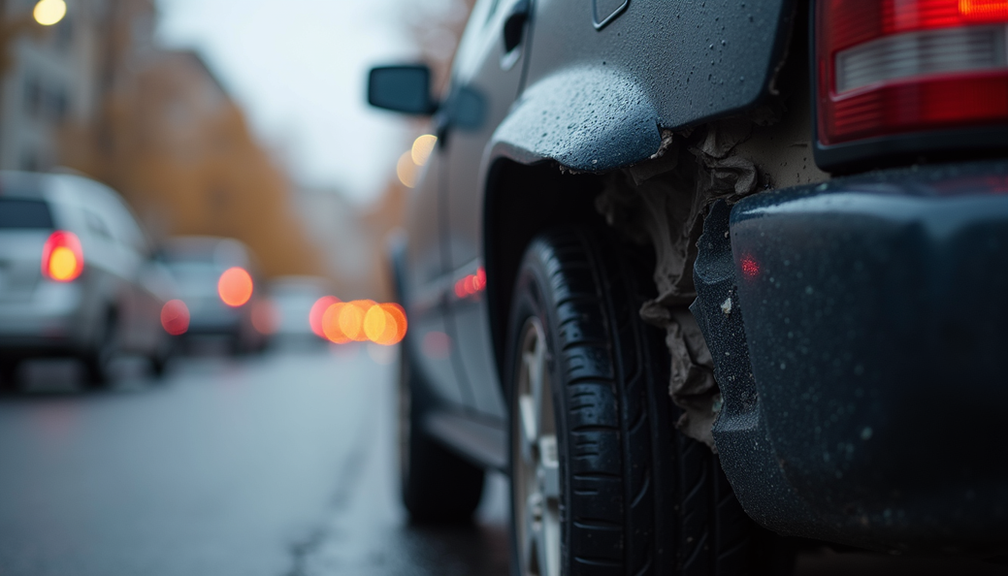
How to Protect Yourself on the Road
Awareness of collision causes is only the first step. You must also apply practical strategies to stay safe:
Stay Focused: Keep your eyes on the road and avoid distractions. Use hands-free devices if necessary.
Follow Speed Limits: Adjust your speed to road and weather conditions.
Never Drive Impaired: If you consume alcohol or medications that affect alertness, arrange alternative transportation.
Maintain Your Vehicle: Regularly check brakes, tires, lights, and steering.
Practice Defensive Driving: Anticipate other drivers’ actions and maintain safe distances.
Adapt to Weather: Slow down and increase following distance in poor weather.
Obey Traffic Laws: Stop at signals, yield when required, and use turn signals.
By adopting these habits, you reduce your risk of being involved in auto accidents.
When Accidents Happen: What You Should Know
Despite your best efforts, accidents can still occur. Knowing what to do afterward can protect your rights and help you recover:
Ensure Safety: Move to a safe location if possible and check for injuries.
Call Emergency Services: Report the accident and request medical help if needed.
Document the Scene: Take photos, note details, and gather witness information.
Exchange Information: Share contact and insurance details with other parties.
Avoid Admitting Fault: Stick to facts when speaking with others and authorities.
Seek Legal Advice: Consult a trusted personal injury attorney to understand your options.
Handling the aftermath properly can make a significant difference in your recovery and any potential claims.
Building Safer Roads Together
Understanding the causes of automobile collisions is a shared responsibility. Drivers, lawmakers, and communities must work together to improve road safety. This includes:
Implementing stricter enforcement of traffic laws
Enhancing driver education programs
Improving road design and signage
Promoting public awareness campaigns
Your role as a driver is critical. By staying informed and cautious, you contribute to safer roads for everyone.
I hope these insights help you navigate the roads with greater confidence and care. Remember, knowledge is your best defense against the unexpected. Stay alert, drive responsibly, and protect yourself from harm.